


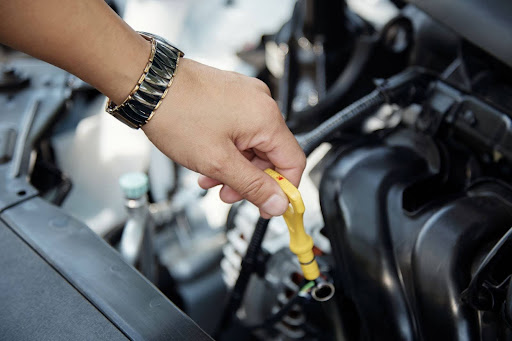
Fleet efficiency is not only dependent on having skilled drivers and modern vehicles. However, the right commercial vehicle oil is at the center of every top-performing fleet. It is tailored to engine protection, fuel efficiency, and unexpected downtime reduction. Therefore, for transport managers and fleet owners, the choice of lubricant is a tactical issue that affects the vehicle’s operating cost, vehicle life, and productivity directly.
With heavier loads, longer routes, and tougher emission standards, commercial vehicles nowadays demand oils to do more than just provide lubrication. Knowing what to check for will enable the fleets to operate smoothly and increase their service life.
Why Engine Oil Matters in Commercial Fleets
Commercial vehicles undergo intense utilization. Engine components are constantly exposed to the stress caused by the heavy loads, long idling time, and extreme weather conditions. Proper engine oil:
- Reduces friction between moving components
- Is the cooling medium
- Act as an inhibitor for deposit formation
- Protects the metal surfaces
- Acts as a fuel-saving agent
Low-quality or incompatible oil will cause sludge buildup, accelerated engine wear, and more frequent maintenance. Eventually, this not only leads to an increase in total cost of ownership but also to the loss of business.
Understanding Oil Grades and Specifications
The problem is that not all oils are the same. A wrong choice of viscosity grade and specification can be disastrous.
Viscosity Grade
Viscosity refers to the property of resistance of a fluid to flow
- Lower viscosity oils flow better in cold starts
- Higher viscosity oils provide better protection at high temperatures
Vehicle manufacturers provide a range of oil grades that are best suited for different models of their vehicles. Fleet operators should heed these recommendations if they want their vehicles to perform at their best.
Industry Standards
Modern diesel vehicles need oils that can assist in meeting current emission standards of the present day. It is recommended to choose oils that conform to the latest API and OEM approvals.
Such oils are plant-based to:
- Support the exhaust after-treatment systems
- Release fewer pollutants
- Allow longer intervals between oil changes
Choosing the right specification ensures the oil will be compatible with the most innovative engine technologies.
The Role of Additive Technology
The most significant distinction between regular and high-performance lubricants is the presence or absence of additives. A mixture of superior additives can provide:
- Detergency to keep engine parts clean
- Dispersancy to avoid sludge formation
- Anti-wear protection for longer engine life
- Oxidation resistance to maintain oil stability
All of these perform to enable the tough conditions, still ensuring stable performance (like stop-and-go city traffic and long-haul highway driving) and thus are crucial to the fleets.
Matching Oil to Fleet Application
Every fleet has different operating conditions. Construction vehicles, intercity buses, and last-mile delivery trucks face different challenges.
When choosing the commercial vehicle oil, the following are some of the factors that should be considered:
- Nature of the load carried
- Average distance of a trip
- Driving environments such as urban, highway, and mining
- Climate conditions
- Engine age and technology
For instance, vehicles working in dusty areas need stronger dispersant properties in their oils. Trucks going on long-haul deliveries get an added advantage from oils that are made for extended drain intervals, which reduces service frequency and downtime.
Impact on Fuel Efficiency
Fuel is one of the largest operating expenses for any fleet. By lowering the friction inside the engine, the correct type of oil can lead to better fuel economy.
Low-friction oils enable the engine to operate more efficiently and thus make:
- Better combustion efficiency
- Reduced energy loss
- Lower fuel consumption
Even a small percentage increase in the fuel efficiency of a vehicle can result in substantial savings when the whole fleet is considered.
Supporting Longer Drain Intervals
Frequent oil changes increase the total maintenance cost and the time during which the vehicles are not available. Premium quality lubricants are designed to endure and provide longer performance.
The advantages of extended drain capability are:
- Fewer service visits
- Lower labor costs
- Improved fleet availability
- Better asset utilization
However, extended drains need to be perfectly aligned with the manufacturer’s recommendations and the working conditions.
Protection Against Wear and Tear
Heavy-duty engines are continually subjected to mechanical forces. In the long run, wear can make the engine less efficient and result in costly major repairs.
Advanced diesel engine oil can deliver:
- Excellent film strength under extreme pressure
- Prevention of piston deposits
- Improvement of resistance to thermal breakdown
- Promotion of cleanliness in turbocharged engines
This kind of protection is very crucial in the case of modern vehicles that meet the BS6 standards, where engine precision and emission control systems are highly dependent on high-performance lubrication.
The Importance of Genuine and Tested Products
Use OEM-recommended genuine fluids to ensure compatibility and reliability. Engine oils that are coordinated with the engineering team of a vehicle go through a series of tests that simulate real-life conditions before they are considered suitable for use.
When choosing oil for your fleet, make sure the oil:
- Has been tested under Indian driving conditions
- Meets the current emission standards
- Can be used for both new and old engine platforms
- Is provided with technical support and help
The reliable source also offers expert suggestions based on the size and usage of the fleet.
Fleet-Wide Efficiency Starts with the Right Fluid Strategy
The right oil selection cannot be made once and for all. It entails a planned maintenance approach:
- Keep a regular check on oil consumption
- Record service intervals
- Educate technicians about the right handling procedures
- Use only to the recommended specifications
- Keep the service records for the performance evaluation
Fleet operators can reduce the possibility of vehicle breakdown and prolong the vehicle lifetime by adopting a comprehensive fleet management strategy that incorporates an oil change plan.
Driving Sustainable and Cost-Effective Operations
Sustainability is becoming an important consideration in the transport industry. Efficient lubrication is an important factor in lowering emissions and optimizing engine performance.
Using the appropriate commercial vehicle oil helps to ensure cleaner combustion, prevents the formation of deposits, and safeguards key engine components. This results in a healthier engine and a reduced negative impact on the environment over time.
If you are a fleet operator who wants to have the best and most trustworthy products, then you can get Tata Motors’ Automotive Fluids, which have been endurance tested and formulated by experts for commercial vehicles only. The company has its engineering team back these lubricants supported with performance validation in the field, whereby the fluids are capable of maintaining the same good performance, durability, and efficiency even when used under different operating conditions.
By aligning lubricant selection with engine needs and objectives, fleets can realize significant gains in terms of uptime, fuel economy, and reliability. Whether the need is for diesel engine oil, heavy-duty engine oil, fleet maintenance services, BS6 engine oil, or OEM-approved engine oils, an informed approach to engine oil selection is the key to effective fleet operation.