

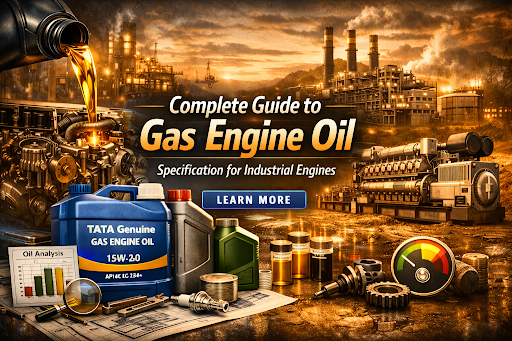
Efficient performance and longevity of engines that run on gas depend on proper lubrication. It is necessary to understand the gas engine oil specification to ensure efficient operation, minimize any interruptions, and maximize performance. Whatever the application of the industrial engines, be it energy generation, manufacturing, or another type, choosing the right oil specification makes a difference in the engine performance.
Why Oil Specification Matters in Gas Engines
The gas engine operates under different conditions than the diesel or gasoline engine. It is subjected to high temperatures, different exhaust products, and extended running periods. Thus, effective lubrication becomes complicated and important.
Selecting the proper oil grade can help:
- Prevent build-up and sludge formation
- Prevent wear and corrosion
- Maintain viscosity at high temperature levels
- Increase oil drain periods
Without proper oil, the choice may lead to inefficient operation, additional maintenance expenses, and eventually to engine breakdowns.
Key Factors That Define Engine Oil Specifications
A knowledge of what goes into forming an oil specification is key. There are several considerations regarding whether an engine oil is appropriate for use in industrial gas engines, including:
1. Base Oil Quality
High-quality base oil ensures thermal stability and anti-oxidation characteristics. Such oils are necessary for optimal performance when an engine operates continuously.
2. Additive Technology
There are numerous additives that offer protection to different engine parts. They include:
- Detergents to prevent deposits
- Anti-wear agents to reduce friction
- Oxidation inhibitors to extend oil life
3. Ash Content
In most cases, gas engines need either low or medium-ash oil depending on their uses. Too much or too little ash in engines may create deposits in the combustion or exhaust system.
4. Viscosity Grade
Viscosity is the most important aspect in engine oil specifications since it helps in achieving lubrication at different temperatures. It needs to match the engine manufacturer’s suggestions.
At the core of choosing the best solution for lubrication, the importance of the specification of the gas engine oil becomes very important since it encompasses all these aspects together into one standard.
Matching Oil with Engine Requirements
Different engines have different demands depending on their construction and use. The demands for an engine may be influenced by various factors such as operating conditions, working environments, and fuel quality, among others.
To match oil demands, consider doing the following:
- Consult the engine maker for guidance
- Analyze operating demands such as temperature and pressure
- Check oil performance through analysis
According to some industrialists, such as Tata Motors Automotive Fluids, there is a great need for specification of oils that are consistent with the actual operating needs. These industrialists illustrate how lubricants can improve engines without complicating their operations.
Common Challenges in Gas Engine Lubrication
Despite choosing the most appropriate oil for an engine, there may still be other difficulties involved, as follows:
- Deposition: This is caused by contaminated fuel or poor oil quality
- Oxidation: This causes thickening of oil, hence decreasing efficiency
- Wear and Tear: This is due to poor lubrication
The resolution of these problems involves not only the selection of the proper type of oil but also ensuring timely service and keeping track of performance indicators.
A Smarter Approach to Long-Term Engine Performance
However, selecting a suitable gas engine oil specification involves not only meeting certain requirements but also ensuring a more effective operation of all activities through strategic planning. In other words, companies can make sure that they choose oil of the best quality and ensure better results while reducing maintenance costs.
In case you need quality advice, Tata Motors Automotive Fluids might be one of the companies to turn to. Combining technical expertise with experience, this organization will enable industries to sustain engine performance effortlessly.
Apart from discussing various specifications, knowing different trends in the industry, such as industrial engine lubrication, gas engine oils, high-performance engine oils, and engine oil standards, may be quite helpful.