


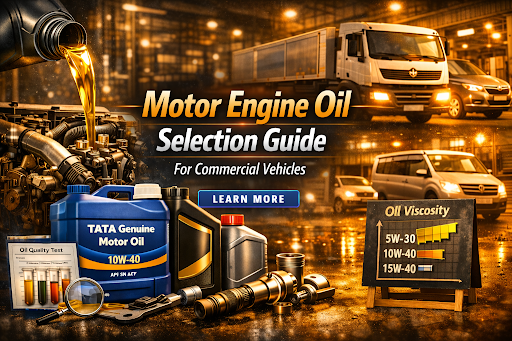
Choosing the right motor engine oil is one of the most essential tasks for keeping up the functionality and lifespan of commercial vehicles. It is regardless of whether you own a trucking business or operate fleets of buses and light commercial vehicles; engine oils are necessary for decreasing friction, regulating temperatures, and allowing the engine to function smoothly even when heavily loaded. There are various brands out there; however, knowing which one to choose is crucial.
Why Engine Oil Matters More in Commercial Vehicles
Commercial vehicles are exposed to very harsh operating environments compared to passenger cars. For instance, commercial trucks will drive for extended periods of time, carry very heavy loads, and cover varied road surfaces. Such a condition means a lot of strain on the engine.
Using quality engine oil helps guarantee:
- Effective lubrication of engine components
- Prevention of engine wear
- Increased fuel economy
- Heat management
- Cleaner engine components
Use of inappropriate oil may cause regular breakdowns, increased expenses for repairs, and shortened engine lifespan.
Understanding Oil Types and Grades
There are many kinds of engine oils, but each is designed differently. The choice should be made according to your specific needs.
1. Types of Engine Oil
- Mineral Oil: Perfect for old engines and moderate use
- Semi-Synthetic Oil: The compromise between mineral and synthetic oils
- Synthetic Oil: Best for advanced commercial vehicles needing high performance and longer service life
2. Viscosity Grades
The viscosity of the oil dictates its flow characteristics depending on the temperature. Typical viscosities such as 15W-40 or 10W-30 represent the suitability of the oil under cold and hot weather.
- Low “W” number = better performance in the cold weather
- High second number = better protection at high temperature
The operators of fleets must adhere to the manufacturer’s guidelines concerning viscosities to prevent any performance problems.
Key Factors to Consider Before Selecting Engine Oil
The choice of engine oil should not simply be based on a preferred brand but should take into account many different criteria.
Load and Driving Conditions
Operations that involve heavy-duty work will require oils with excellent thermal resistance and anti-wear performance.
Climate and Temperature
Engines working in very hot weather require an oil with high viscosity, while cold environments need oil with excellent pumpability at low temperatures.
Engine Technology
Advanced technologies such as the BS6 engines will require special oils formulated for enhanced performance.
Drain Interval Requirements
Trucks that have long distances to travel may require oils that facilitate longer drain intervals.
The Role of Additives in Engine Oil
The use of engine oil is not only about using base oil but rather about the additives that improve its performance. They are:
- Detergents and dispersants: Help to avoid sludge formation
- Anti-wear agents: Protect engine components
- Oxidation inhibitors: Increase oil lifespan
- Corrosion inhibitors: Protect metal parts
Premium quality lubricants like those produced by Tata Motors Automotive Fluids are formulated to have an optimal mix of these additives to perform efficiently in commercial applications.
Matching Oil with Maintenance Practices
No matter how good the engine oil is, it will be useless without proper maintenance. The following tips can help you make the right choice based on your fleet maintenance routine.
Best Practices to Follow
- Perform frequent oil testing to check the state of the engine
- Change oil according to manufacturer recommendations
- Install genuine oil filters with good-quality oil
- Make sure that drivers know how to detect problems related to engine oil
In the middle stages of planning the maintenance strategy, choosing the right type of motor engine oil will be an essential element for successful fleet management.
Common Mistakes to Avoid
Fleet managers often commit mistakes without even realizing it. They may affect the operation of an engine and lead to additional expenses.
- Using one kind of motor oil regardless of specific vehicle models
- Ignoring manufacturer recommendations regarding motor engine oil
- Making an oil change when the recommended interval expires
- Using mixed oil types or brands
- Picking up the cheapest oil regardless of its characteristics
All these steps should be avoided to ensure engine efficiency and minimize future expenditures.
How OEM-Recommended Fluids Make a Difference
OEM recommended oils are specially formulated to suit specific engine needs. These oils have been extensively tested to ensure that they are compatible with engines and perform effectively.
For example, Tata Motors Automotive Fluids concentrates its efforts on the development of oils that are specific to commercial vehicles. This ensures that the oil is reliable and consistent, providing optimum lubrication, lower emissions, and extended engine life.
Signs You May Be Using the Wrong Engine Oil
Recognizing early indicators will help you avoid expensive repairs.
Look for:
- Increased noise levels from the engine
- Declining fuel efficiency
- Recurring engine overheating
- Heavy exhaust emissions
- Presence of sludge when changing oil
Should you encounter any of these symptoms, it might be wise to consider other oil options.
A Smarter Approach to Fleet Performance
Choosing an appropriate motor engine oil should not only be viewed as a maintenance activity but also as a vital decision that will affect your operations and expenses. In case you want to ensure that your engine performs optimally, you need to choose the most suitable engine oil.
Using an established brand such as Tata Motors Automotive Fluids for supplying engine oils means that one has the best products which have been designed especially for commercial use. Coupled with regular maintenance, this will help companies save on costs and run more efficiently.
Choosing the right engine oil in the competitive world of transportation can make all the difference between being a mediocre performer and an excellent one.