

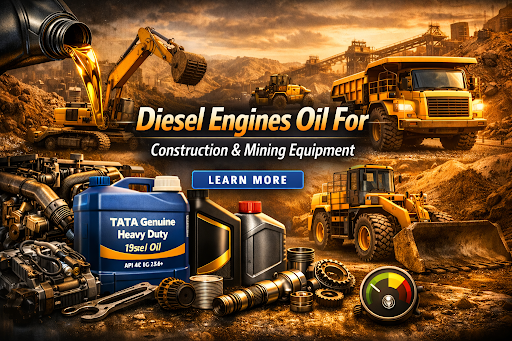
The construction industry, as well as mining activities, utilizes machinery that works in very harsh environmental conditions. From the heat to excessive weight to dusty conditions and more, engines used in such industries are subjected to extreme working conditions. For this reason, choosing the appropriate type of diesel engine oil is no less important than it would be in normal conditions, since it will influence the work of the machinery.
Why Lubrication Matters in Harsh Environments
The machinery used in the construction and mining industries works in the most hostile environments. Engines are subjected to various contaminants and are thus likely to wear out sooner. Lubrication provides for the protection of these engines, allowing them to function properly without friction between components.
Good quality engine oil can serve the following purposes:
- Reduce friction and wear
- Control the temperature inside the engines
- Prevent the formation of deposits and sludge
- Protect the engine from corrosion
- Increase fuel efficiency
Even when using advanced machines, if one uses inappropriate oil, then there will be poor performance of the machine or even failures.
Key Characteristics of High-Performance Engine Oil
The selection of oil for heavy-duty machinery should be accompanied by taking into consideration certain characteristics that would guarantee the proper performance of the machinery under high pressure.
1. Thermal Stability
The engines used in mining and construction sites usually operate constantly for very long periods of time. The oil used should remain effective and efficient despite the high temperatures.
2. Oxidation Resistance
The engine is exposed to high temperatures for an extended period of time. This makes oxidation take place, resulting in degradation.
3. Detergency and Dispersancy
Oil needs to be able to keep the engine free of any dirt and deposits.
4. Wear Protection
This property protects various components of the engine against any wear due to the friction caused between metals.
5. Compatibility with Modern Engines
As technology keeps advancing, so do the emission standards. Oils used in such environments need to be compatible.
Understanding Oil Grades and Specifications
In addition, selecting the right oil entails having knowledge of viscosity grades and oil specifications. These ensure that the oil will operate effectively under different operating conditions.
- Viscosity Grade (SAE): Indicates the thickness of oil under various temperature ranges
- API Standards: Determine the quality of diesel engine oils.
- OEM Recommendations: Provides OEM-recommended types of oils.
Consulting reputable sources such as Tata Motors Automotive Fluids will aid in making a selection of the oil based on its grade and specifications.
The Role of Maintenance Practices
Despite the suitability of oil for heavy machinery, poor maintenance practices may result in poor performance of the oil. Thus, it becomes imperative to adhere to certain practices.
Best Practices for Oil Maintenance:
- Daily oil level checks in heavily used equipment
- Regular oil change schedules as per manufacturer guidelines
- Using clean filters to prevent contamination
- Storing oils in suitable conditions to prevent dust from getting into the oil
- Performing oil analysis periodically
These practices can result in considerable reductions in downtime and repair costs for fleet managers through regular incorporation into operations.
Oil Drain Intervals and Lifecycle Optimization
Effective handling of the oil drain cycle process is imperative since it ensures that the engine stays in good condition at a low cost. For example, in large machinery in industries such as mining and construction, where the machines run for long periods, the process of changing the oil by following an intense schedule may not work. However, through the use of condition-based monitoring, it becomes possible to determine when to replace the oil. This will not only eliminate wastage of oil but also overuse.
Recommendations from Tata Motors Automotive Fluids suggest the need for proper consideration of practical scenarios for effective oil lifecycle management.
Mid-Operation Efficiency and Oil Performance
The significance of diesel engines oil is further highlighted when the machines are involved in challenging operations. The equipment operates under varying workloads and requires the oil to instantly adjust itself without compromising its effectiveness.
For instance, in an excavator or dump truck, the transition from idle operation to peak performance poses a challenge to the oil’s lubricating and cooling effects. Inadequate quality of the oil may result in higher consumption of fuel and additional maintenance costs.
Advanced formulations such as those provided by Tata Motors Automotive Fluids take into consideration such operating conditions. They aim at increasing the longevity of the engines while maintaining stability under different levels of workload.
Challenges Faced in Construction & Mining Applications
The harshness of construction and mining operations results in various difficulties related to lubricants:
- Dust Pollution: Fine particulates may contaminate the engine and affect the quality of the oil.
- Heavy Load: High stresses increase the likelihood of oil failure.
- Extreme Temperature: Both excessive heat and cold temperatures impact oil quality.
- Continuous Operation: Longer operating periods necessitate highly durable oils.
Solving these problems is a mixture of good quality oil and sound maintenance practices.
Environmental and Economic Impact
Proper use of engine oil not only increases the productivity of equipment but helps in sustainability and savings.
- Reduced Emissions: Clean burning decreases pollution levels
- Enhanced Efficiency: Effective lubrication saves fuel
- Increased Equipment Lifespan: Infrequent replacement of equipment cuts down costs
- Minimal Waste Generation: Increased lifespan of oil results in less waste generation
In light of all these factors, it becomes apparent that choosing oil becomes a much more strategic activity.
Smarter Choices for Long-Term Reliability
In making the decision, you must also take into consideration not just the machine itself but also the surroundings of your machine. Due to advancements in technology and the presence of stringent emission control regulations, the significance of having efficient lubrication has also been rising.
The correct selection of diesel engine oil will eventually result in a more positive effect on the operation of your vehicle in the future, which will not only help you save money but also ensure that your investment is worth the cost. In selecting the appropriate lubricant, solutions from Tata Motors Automotive Fluids can be considered a prime example.
Additionally, there are other aspects that might be taken into account, such as heavy-duty engine oil, construction equipment oil, mining machinery oil, high-performance diesel oil, and industrial engine oil, which can further help in identifying the best fit for specific operational needs.